History
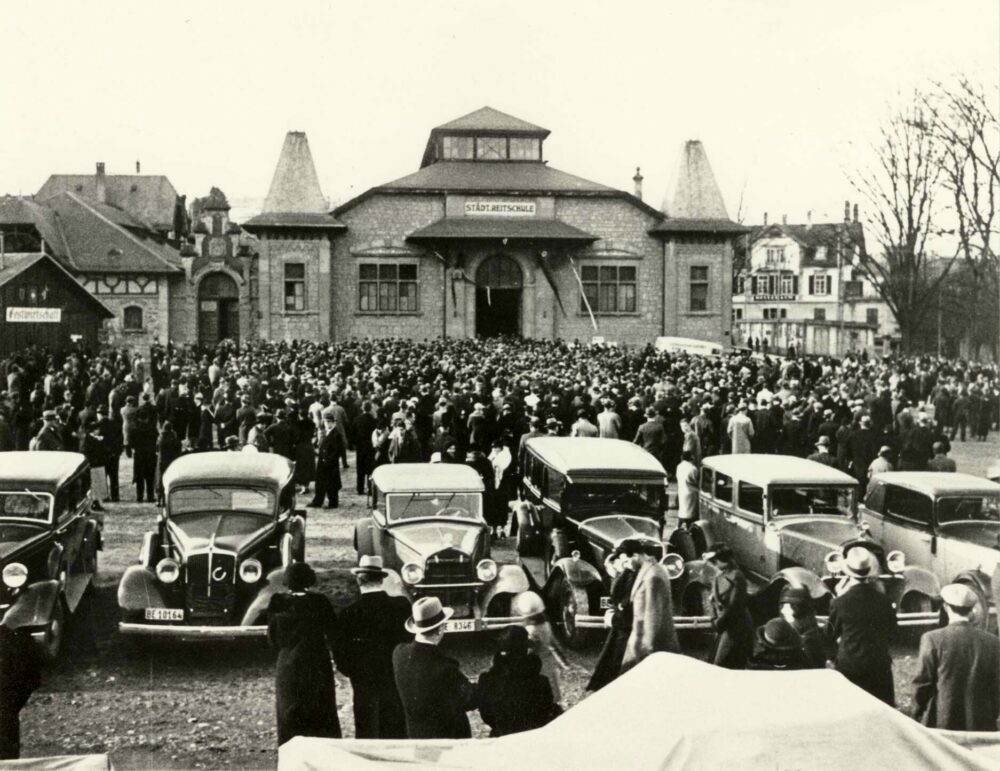
The former Reitschule was built at the end of the 19th century. The old Reitschule on Unterer Graben had to make way for the construction of the new city theatre. The City of Bern therefore sought a new location in order to continue providing riding lessons, stabling facilities, and the necessary infrastructure. Between 1895 and 1897, the new Reitschule was built according to plans by Bernese architect Albert Gerster.
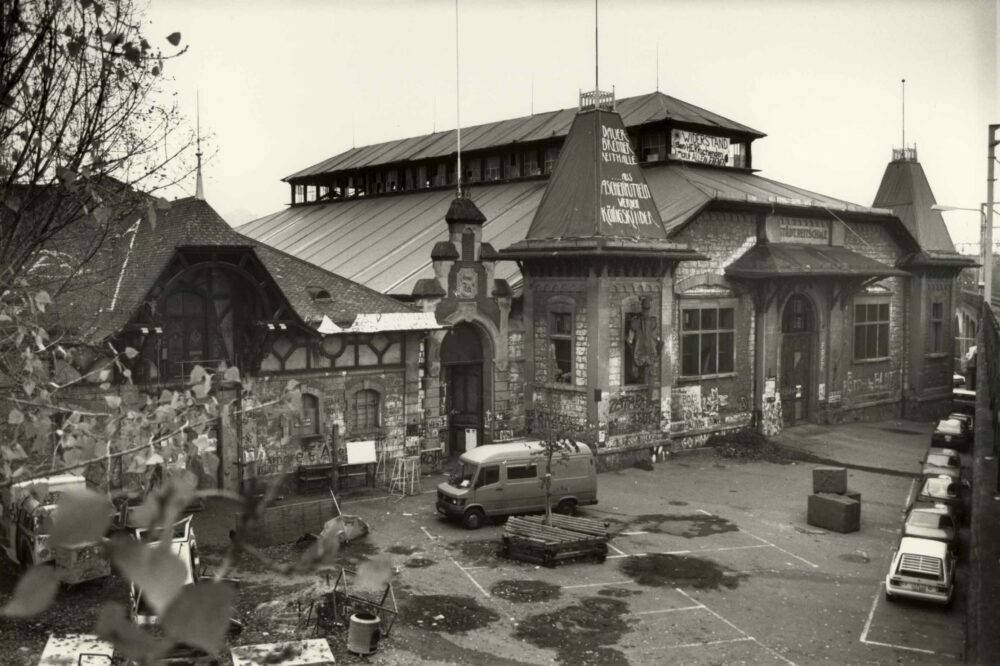
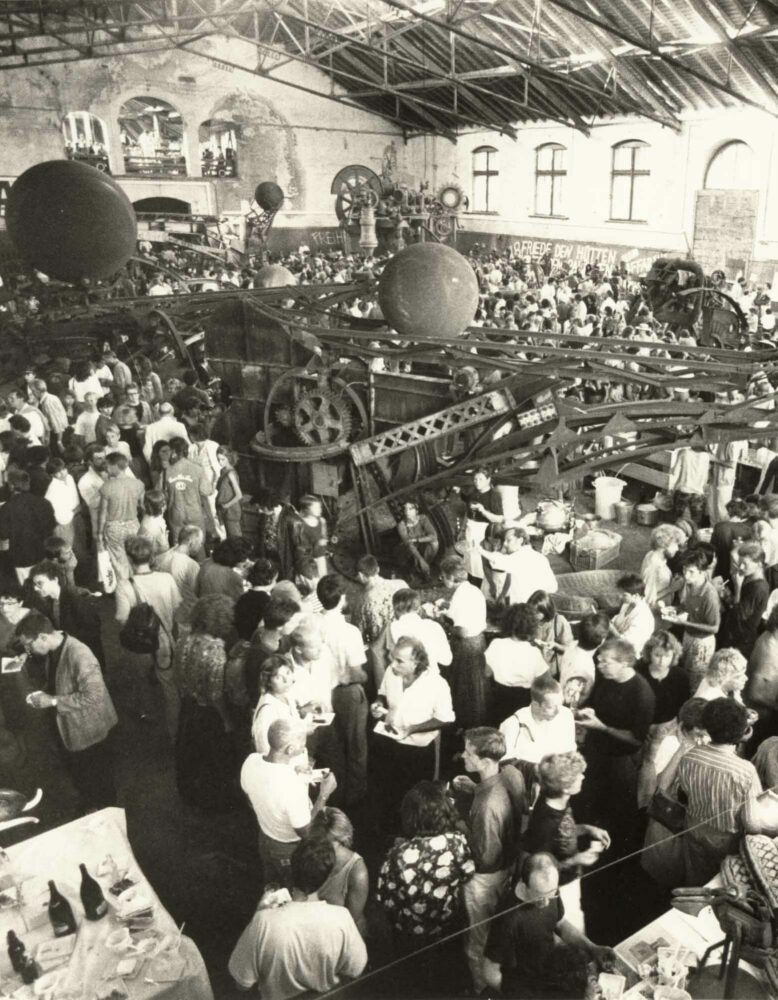
The Grosse Halle was the central element of the complex. It was constructed in the Historicist style, featuring exposed brickwork, steep hipped roofs, and small architectural turrets. Initially, the Reitschule was used as intended for equestrian purposes. When horses disappeared from the city, the spaces were first repurposed as storage facilities.
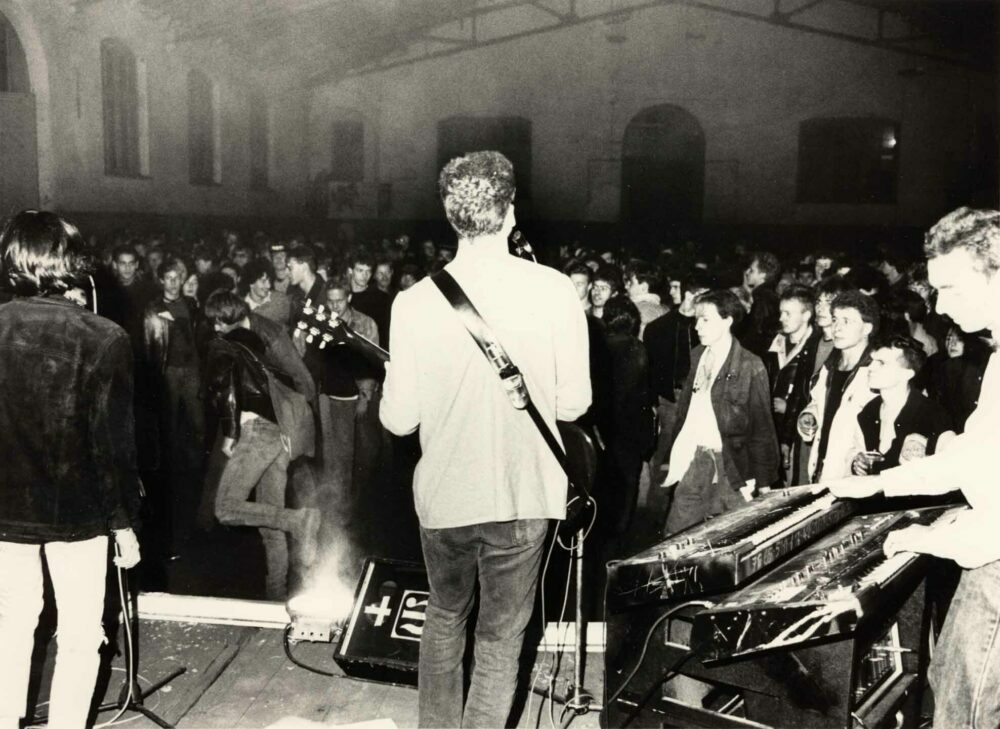
A first use as a cultural centre followed between 1981 and 1982. However, the decisive moment came with the squatting of the Reitschule in autumn 1987: the threatened eviction of the Zaffaraya hut settlement led to widespread resistance, and the Reitschule was permanently squatted in October. Since then, it has been one of the oldest self-managed cultural centres in Switzerland.
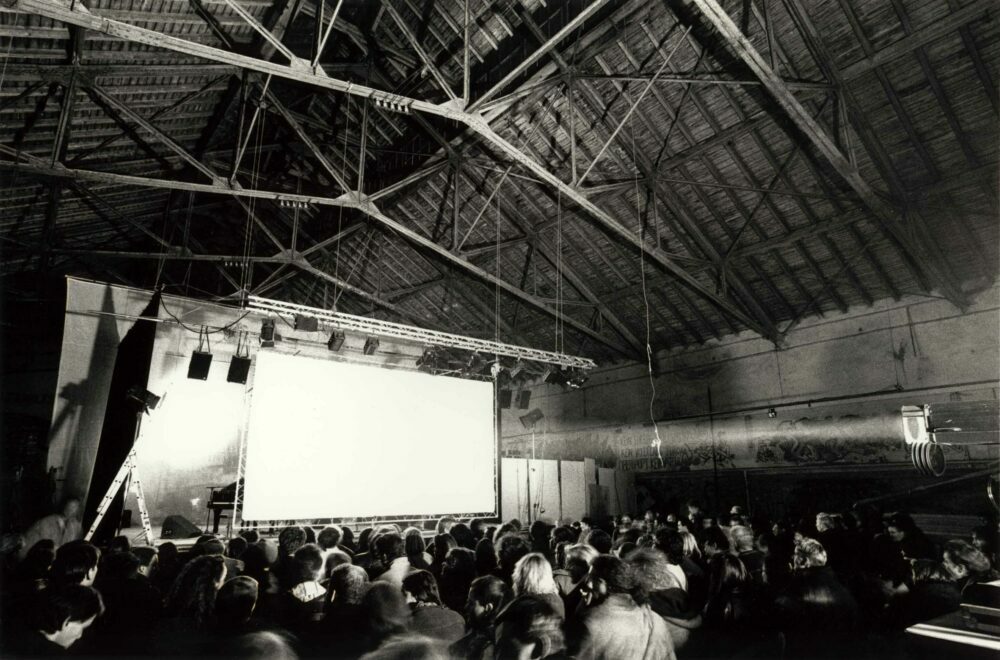
Today, the Grosse Halle sees itself as part of this autonomous cultural centre, but operates independently in organisational terms. It is run by the Grosse Halle association and functions independently of the Interessensgemeinschaft Kulturraum Reitschule (IKuR).